
 Post by
Turnkey project management has become an effective approach for organizations handling complex industrial projects. Instead of coordinating multiple contractors, suppliers, engineers, and service providers independently, businesses can work with a single project partner responsible for managing the project from planning and design through execution, testing, and final handover.
For industrial facilities, manufacturing plants, infrastructure developments, and other technically demanding projects, this integrated approach can simplify project execution while improving coordination, cost control, and accountability.
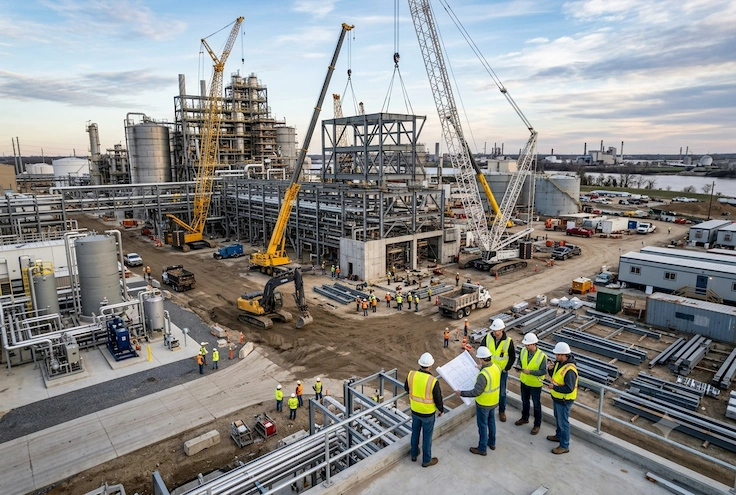

10 Key Benefits of Turnkey Project Management for Industrial Projects
1. Single-Point Project Responsibility
One of the biggest advantages of turnkey project management is having a single point of responsibility. In a traditional project, the client may need to coordinate architects, engineers, equipment suppliers, construction contractors, electrical teams, and other specialists. Managing communication between all these parties can become complicated.
With a turnkey approach, one project management partner oversees the major stages of the project. This creates clearer accountability and makes it easier for the client to monitor progress and resolve issues. Instead of asking several contractors about a delay or technical problem, the client can communicate with one responsible team.
2. Better Project Coordination
Industrial projects involve numerous interconnected activities. Civil construction, mechanical installation, electrical systems, automation, equipment procurement, testing, and commissioning often need to happen according to a carefully coordinated schedule.
Turnkey project management brings these activities under one integrated management structure. Project teams can coordinate contractors, suppliers, engineers, and other stakeholders according to the overall project plan. This reduces the possibility of one activity interfering with another. Better coordination can also help identify potential conflicts earlier, allowing teams to address them before they create major delays.
3. Improved Cost Control
Budget management is critical for industrial projects because unexpected expenses can significantly affect profitability. A turnkey project manager can oversee procurement, contractor costs, equipment requirements, labor, installation, and other project expenses as part of one overall budget.
This integrated approach provides better visibility into project costs and can help identify unnecessary spending. It can also reduce the risk of duplicated expenses that may occur when multiple independent contractors handle overlapping responsibilities.
4. Reduced Project Risks
Industrial projects involve several risks, including construction delays, procurement problems, technical errors, equipment failures, safety issues, and coordination challenges. Turnkey project management provides a structured system for identifying and managing these risks throughout the project lifecycle.
Experienced project teams can establish risk-management procedures, monitor critical activities, and develop contingency plans for potential problems. Because the project is managed as an integrated process, risks in one area can be assessed in relation to their potential impact on other project activities.
5. Faster Project Completion
Time is an important factor in industrial development. Delays can postpone production, increase labor costs, affect supply commitments, and reduce the expected return on investment. Turnkey project management can support faster project completion by coordinating design, procurement, construction, installation, and commissioning more efficiently.
A centralized management structure can help teams make decisions faster and address issues without waiting for multiple parties to reach an agreement. Proper scheduling and early procurement planning can also help prevent avoidable delays.
6. Simplified Procurement and Vendor Management
Industrial projects often require a large number of materials, components, machines, technologies, and specialist services. Managing multiple suppliers independently can create significant administrative work for the client.
A turnkey project management team can coordinate procurement activities, supplier communication, delivery schedules, and material requirements. This helps ensure that critical equipment and materials are available when needed and reduces the possibility of procurement delays affecting construction or installation activities. It also gives the client a more streamlined process for managing vendors.
7. Consistent Quality Control
Quality requirements are particularly important in industrial environments where equipment, infrastructure, and installation must meet specific technical and operational standards. Turnkey project management allows quality control to be incorporated across different stages of the project.
Teams can establish quality requirements during design and procurement and continue monitoring them during construction, installation, testing, and commissioning. Consistent quality monitoring can help identify defects or deviations before they become expensive problems. It also helps ensure that the completed facility performs according to the agreed specifications.
8. Better Communication and Decision-Making
Poor communication can cause misunderstandings, delays, rework, and unnecessary costs. A turnkey project management structure provides a centralized communication channel between the client and the project team.
Project managers can coordinate information from engineers, contractors, suppliers, and other stakeholders and provide the client with structured updates. This makes it easier for decision-makers to understand the current project status and respond quickly when important decisions are required. Clear communication is especially valuable in large industrial projects involving multiple disciplines.
9. Efficient Testing and Commissioning
Completing construction does not necessarily mean an industrial project is ready for operation. Equipment and systems need to be tested, integrated, commissioned, and verified before the facility can become fully operational. Turnkey project management can coordinate these final stages as part of the overall project rather than treating commissioning as a separate activity.
The project team can coordinate equipment testing, system integration, performance checks, troubleshooting, and final inspections. This integrated approach can help ensure that the facility is ready for operation before the formal handover.
10. Easier Project Handover
The final handover is an important stage of any industrial project. Clients need the completed facility, systems, equipment, documentation, test results, warranties, and other relevant information.
With turnkey project management, the project team can coordinate the handover process and ensure that required documentation and project deliverables are organized. A structured handover can make the transition from construction to operation smoother and help the client’s operational team understand the completed systems.
Conclusion
Industrial projects require coordination across engineering, procurement, construction, installation, testing, and commissioning. Managing these activities through multiple disconnected parties can create additional complexity.
Turnkey project management provides a more integrated approach by placing major project responsibilities under one coordinated management structure. From better cost control and risk management to improved quality, communication, and project completion, it can help businesses manage complex industrial developments more efficiently.