
 Post by
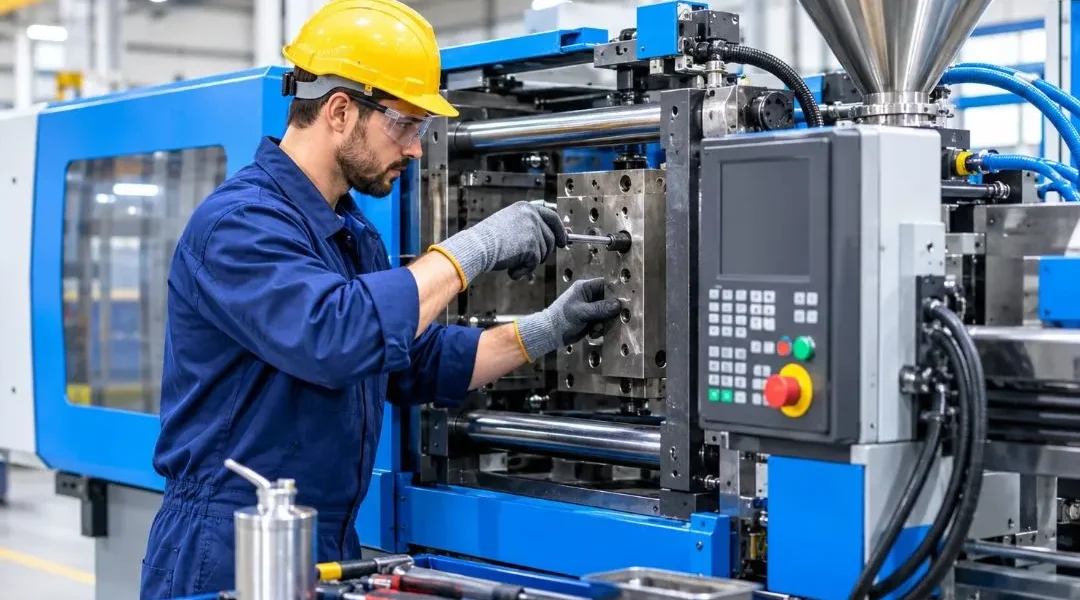
Injection molding machines require regular maintenance to produce quality plastic parts and maintain efficient production. Problems such as worn components, temperature fluctuations, hydraulic leaks, and blocked cooling channels can affect output and increase operating costs. To improve Injection Molding Machine Performance, manufacturers should follow a consistent maintenance schedule, inspect critical components, and fix small problems before they lead to major repairs. Proper maintenance also helps reduce material waste, maintain product quality, and extend machine life.
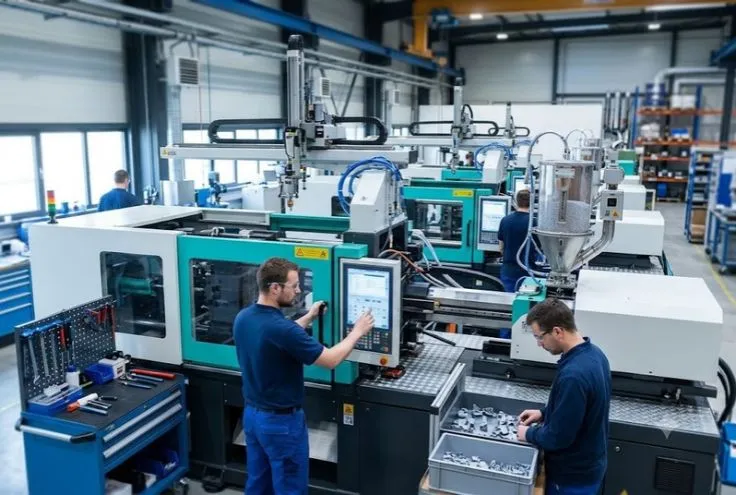
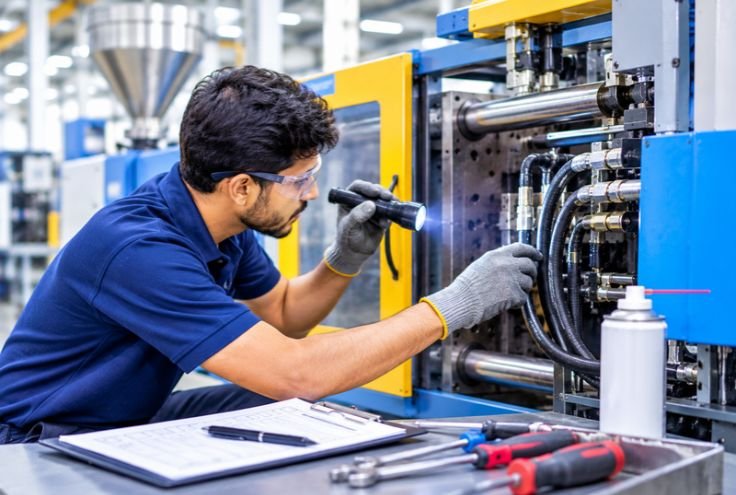
Here Are the Tips to Maintain an Injection Molding Machine
1. Inspect the Machine Before Production
Inspecting the machine before each shift helps identify potential problems before they interrupt production. Operators should check the machine’s visible components and report anything unusual.
Follow these inspection steps:
- Look for hydraulic oil leaks and damaged hoses.
- Check accessible cables, connections, and safety guards.
- Listen for unusual sounds or vibrations.
- Remove plastic waste and oil spills from the working area.
- Record faults and report them to the maintenance team.
- Pay attention to changes in machine movement, noise, and operating conditions. For example, a new vibration may indicate a loose component or developing mechanical issue.
A simple daily checklist helps operators complete inspections consistently. Fixing minor problems early can prevent unexpected downtime and support stable production.
2. Check the Injection Screw and Barrel
The injection screw and barrel melt and move plastic material toward the mold. Wear, contamination, or incorrect processing conditions can affect melting quality and cause inconsistent part weight.
To maintain these components:
- Follow the manufacturer’s recommended inspection schedule.
- Use suitable purging materials when changing resin types or colors.
- Check for black spots, contamination, and unexpected color changes.
- Monitor changes in screw recovery time.
- Arrange professional inspections when product quality declines.
- Different plastic materials can cause different levels of wear. Abrasive and glass-filled materials, for example, may increase wear on the screw and barrel.
If the machine produces inconsistent parts, check material conditions and process settings before assuming a component has failed. Maintaining these parts properly supports reliable Injection Molding Machine Performance and helps reduce production defects.
3. Maintain the Correct Temperature
Temperature control is essential for producing consistent plastic parts. Incorrect settings can cause short shots, discoloration, material degradation, and dimensional problems.
Use these practices to maintain temperature stability:
- Follow the resin supplier’s recommended processing temperature.
- Check barrel, nozzle, and mold temperature readings.
- Inspect heaters and temperature sensors if readings fluctuate.
- Allow the machine and mold to reach the required operating conditions.
- Record approved temperature settings for each production run.
- Avoid changing several temperature settings at the same time. Make one controlled adjustment, observe the result, and document any improvement.
For example, if a part develops burn marks or discoloration, investigate the material, temperature settings, and trapped air before making major process changes.
Stable temperatures help maintain consistent melting and filling conditions. They also reduce unnecessary trial runs and material waste.
4. Inspect the Hydraulic System
Hydraulic problems can affect injection pressure, clamping force, and machine movement. Regular checks help identify leaks, contamination, and worn components before they interrupt production.
Include these tasks in the maintenance routine:
- Check hydraulic oil levels according to the machine manual.
- Inspect hoses, seals, and fittings for leaks or damage.
- Replace filters at the recommended intervals.
- Use the specified hydraulic oil.
- Investigate unusual pressure changes and overheating.
- Contaminated hydraulic oil can damage pumps, valves, and other precision components. Keep oil storage containers clean and follow the correct filling procedures to prevent dust and moisture from entering the system.
Never check a pressurized leak with your hands. Hydraulic fluid under high pressure can cause serious injuries. Repairs must be performed by qualified personnel after the machine has been safely isolated and stored pressure has been released.
5. Clean and Inspect the Mold Regularly
A clean, well-maintained mold helps produce plastic parts with accurate dimensions and smooth surfaces. Dirt, plastic residue, blocked vents, and worn components can cause defects or make part ejection difficult.
Follow these maintenance practices:
- Clean mold surfaces using approved cleaning products.
- Remove residue and deposits from vents.
- Inspect ejector pins for wear or sticking.
- Check the parting line for damage or material buildup.
- Keep cooling channels free from restrictions.
- Pay special attention to repeated defects.
For example, incomplete filling may involve process settings, material conditions, or restricted vents. Inspect the mold and investigate the cause before making unnecessary adjustments.
Record cleaning dates, repairs, and recurring problems. These records help the maintenance team identify patterns and schedule servicing before mold condition affects product quality.
6. Maintain the Cooling System
The cooling system helps plastic parts solidify before they are removed from the mold. Poor cooling can increase cycle times, reduce output, and cause warping or inconsistent dimensions.
To maintain cooling efficiency:
- Check coolant flow and inlet and outlet temperatures.
- Inspect pipes and connections for leaks.
- Clean filters and strainers as recommended.
- Monitor cooling equipment for unusual temperature changes.
- Check mold cooling channels for blockages.
- If cycle times gradually increase, investigate coolant flow, scale buildup, and cooling equipment performance. A restricted channel may prevent heat from being removed efficiently.
Avoid reducing cooling time simply to increase production speed. Parts that have not cooled sufficiently may deform during ejection or develop dimensional problems.
Effective cooling supports consistent production and helps improve Injection Molding Machine Performance without compromising part quality.
7. Lubricate Moving Components Correctly
Moving components experience friction during repeated machine cycles. Proper lubrication reduces wear and helps maintain smooth operation.
Follow these steps:
- Identify lubrication points in the machine manual.
- Use the lubricant specified by the manufacturer.
- Follow the recommended quantity and service interval.
- Check automatic lubrication systems for proper operation.
- Record completed maintenance tasks.
Do not assume that applying more lubricant will improve performance. Excessive lubrication can attract dust, contaminate mold surfaces, and create cleaning problems.
Pay attention to guide rails, toggle mechanisms, and other moving components that require lubrication according to the machine design. Some machines use different lubrication systems, so always follow the instructions for the specific model.
Before servicing moving components, place the machine in the required safe state and follow the approved lockout procedure.
8. Check Electrical Components and Sensors
Electrical controls and sensors help regulate temperature, pressure, movement, and cycle timing. Faulty sensors or damaged connections can interrupt production and create inaccurate readings.
Include these checks in the maintenance plan:
- Inspect accessible cables and connectors for visible damage.
- Monitor recurring machine alarms.
- Investigate unusual temperature and pressure readings.
- Test emergency stops and safety interlocks at the required intervals.
- Arrange qualified inspections when electrical faults occur.
- For example, a faulty temperature sensor may display an incorrect reading and affect the machine’s heating control. Replacing components without checking the actual fault may waste time and money.
Avoid repeatedly resetting alarms without identifying their cause. Electrical inspections and repairs must be carried out by qualified personnel using appropriate safety procedures.
9. Monitor Production Data
Production data helps identify performance changes before they develop into serious problems. Comparing current readings with established production settings can reveal issues that may not be visible during a routine inspection.
Track the following information:
- Cycle time and part weight.
- Rejected parts and scrap rates.
- Injection pressure and screw recovery time, where available.
- Material type and mold identification.
- Machine alarms and maintenance activities.
- For example, if cycle time increases while material and mold conditions remain unchanged, investigate cooling performance, machine settings, and component condition.
Keep records for each production run so operators and maintenance staff can compare results across shifts. Consistent monitoring helps identify recurring faults, reduce waste, and support better Injection Molding Machine Performance.
Manufacturers using different types of Plastic Processing Equipment can also use these records to compare maintenance needs and plan servicing more effectively.
10. Follow a Preventive Maintenance Schedule
A preventive maintenance schedule ensures that important checks are completed regularly instead of waiting for equipment failure.
Organize tasks according to machine usage, operating conditions, and manufacturer recommendations.
Daily Maintenance
- Inspect for leaks, unusual sounds, and visible damage.
- Check safety systems and clean accessible areas.
- Record operating problems and alarms.
Weekly Maintenance
- Review lubrication requirements.
- Inspect cooling performance.
- Check accessible hoses and connections.
- Review recurring production faults.
Scheduled Servicing
- Inspect hydraulic and electrical systems.
- Check screw, barrel, and mold condition.
- Replace filters and worn components as recommended.
- Review maintenance records and recurring issues.
These intervals are general examples, not universal requirements. The machine manufacturer may recommend different service periods based on the model, operating hours, and production conditions.
Operator training is equally important. Workers should know how to identify early warning signs, report faults, follow safe shutdown procedures, and avoid unauthorized changes to machine settings.
A well-organized maintenance program helps manufacturers plan repairs, control costs, and maintain reliable production.
Conclusion
Regular maintenance helps injection molding machines operate reliably, produce consistent parts, and avoid unnecessary downtime. Inspecting critical components, maintaining stable temperatures, cleaning molds, and monitoring production data can prevent many common problems.
By following these 10 maintenance practices and the manufacturer’s recommendations, manufacturers can extend equipment life, reduce material waste, control repair costs, and keep production running efficiently.